32 Silhouettes Instruments: A Versatile Design Resource for Creative Projects
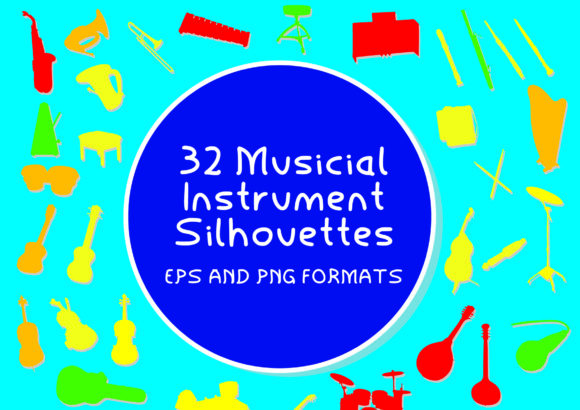
When it comes to design resources, having access to high-quality visual assets can make all the difference. 32 Silhouettes Instruments offers a unique collection of instrument silhouettes that cater to a wide range of creative needs. Whether you're working on a poster, packaging design, or digital illustration, these silhouettes provide a clean and stylized way to represent musical instruments. The availability of these assets in both EPS and PNG formats ensures flexibility for various applications, from print to web.
Understanding 32 Silhouettes Instruments
32 Silhouettes Instruments is a curated set of vector-based illustrations featuring simplified outlines of common musical instruments. These include guitars, trumpets, drums, violins, and more. Each silhouette is designed with minimal detail, focusing on form and structure rather than intricate textures or shading. This approach makes them highly versatile for use in different design contexts where clarity and simplicity are key.
The collection includes 32 distinct instruments, each rendered in a consistent style that maintains visual harmony across the set. This uniformity helps designers create cohesive compositions without worrying about mismatched aesthetics. The silhouettes are scalable, meaning they can be used at any size without losing quality, which is particularly useful for print media and large-format designs.
Format Options: EPS vs PNG
One of the standout features of 32 Silhouettes Instruments is the availability of the collection in two popular file formats: EPS (Encapsulated PostScript) and PNG (Portable Network Graphics). Understanding the strengths and limitations of each format can help you choose the right one for your project.
EPS files are vector-based, making them ideal for high-resolution printing and large-scale graphics. They maintain crisp edges and sharp details regardless of size, which is essential for professional-grade materials like posters, brochures, and signage. Additionally, EPS files can be easily edited in vector graphic software such as Adobe Illustrator, allowing for customization and integration into complex design projects.
PNG files, on the other hand, are raster-based and best suited for digital use. They support transparency, which makes them perfect for web graphics, social media posts, and digital illustrations. PNGs are also widely supported across different platforms and devices, ensuring compatibility with most design tools and online publishing environments.
Comparing 32 Silhouettes Instruments with Similar Resources
While there are many similar resources available online, 32 Silhouettes Instruments stands out due to its focus on simplicity and scalability. Many free or low-cost alternatives may lack the consistency in style or the quality of vector output. Some resources might offer more detailed illustrations, but this often comes at the cost of versatility and ease of use.
For instance, some stock image sites provide realistic photographs of instruments, which may not be suitable for minimalist or abstract designs. Others offer line drawings that may not be as refined or scalable as those found in 32 Silhouettes Instruments. When comparing options, it's important to consider how well the asset fits the specific needs of your project, including the desired level of detail, color requirements, and intended medium.
Another consideration is the licensing terms associated with each resource. Some free assets come with restrictions on commercial use, while others require attribution or have limited redistribution rights. 32 Silhouettes Instruments typically provides clear licensing information, helping users understand what they can and cannot do with the assets.
Best-Fit Situations for Using 32 Silhouettes Instruments
32 Silhouettes Instruments is particularly well-suited for projects that benefit from a clean, modern aesthetic. This includes:
- Music-related branding, such as album covers, band logos, or music festival posters.
- Educational materials, like worksheets, flashcards, or classroom presentations focused on music education.
- Digital content creation, including website banners, social media graphics, and app icons.
- Event marketing, such as promotional materials for concerts, workshops, or music festivals.
In these scenarios, the simplicity and clarity of the silhouettes allow them to blend seamlessly with other design elements without overwhelming the viewer. Their minimalistic nature also makes them adaptable to various color schemes and backgrounds, enhancing their usability across different design contexts.
Limitations and Considerations
While 32 Silhouettes Instruments is a valuable resource, it's important to recognize its limitations. For example, if a project requires highly detailed or photorealistic representations of instruments, these silhouettes may not be the best choice. Similarly, if you need a broader range of instruments beyond the 32 included, you may need to supplement the collection with additional resources.
Another factor to consider is the learning curve associated with using vector files. If you're not familiar with vector graphic software, editing EPS files may require some time and effort. However, many design tools now offer user-friendly interfaces that make it easier to work with vector assets, even for beginners.
When to Choose an Alternative
There are situations where 32 Silhouettes Instruments may not be the optimal choice. For instance, if you're looking for a more dynamic or animated representation of instruments, you might explore alternative resources such as motion graphics libraries or 3D modeling tools. Similarly, if your project involves creating a full illustration or painting, you may find that traditional drawing techniques or more detailed vector illustrations are better suited to your needs.
Additionally, if you're working within a tight budget and need a quick solution, free or open-source resources might be more appropriate. However, it's important to ensure that these alternatives meet the necessary quality standards and licensing requirements for your specific use case.
Ultimately, the decision to use 32 Silhouettes Instruments should be based on the specific goals of your project, the desired aesthetic, and the technical requirements of your design workflow. By carefully evaluating these factors, you can determine whether this resource will serve your needs effectively or if another option would be more suitable.