Geometric Watercolor Shapes: A Versatile Tool for Creative Projects
Watercolor painting is often associated with soft, flowing lines and organic shapes. However, a growing trend in the world of digital and traditional art is the use of geometric watercolor shapes. These stylized, structured forms bring a fresh and modern aesthetic to creative projects. Whether you're designing posters, phone cases, or website backgrounds, geometric watercolor shapes offer an elegant and adaptable solution that fits into a wide range of applications. In this article, we'll explore what geometric watercolor shapes are, why they're popular, and how you can use them effectively in your projects.
What Are Geometric Watercolor Shapes?
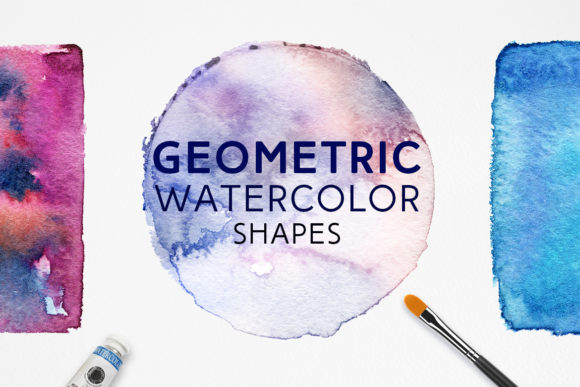
Geometric watercolor shapes refer to abstract, stylized designs that combine the fluidity of watercolor with the precision of geometric patterns. Unlike traditional watercolor techniques that focus on realism and natural textures, geometric watercolor shapes emphasize clean lines, sharp angles, and repetitive forms. These shapes can include triangles, circles, hexagons, squares, and more, all rendered in the soft, translucent style of watercolor.
The beauty of these shapes lies in their simplicity and versatility. They can be used as standalone elements or combined to create intricate patterns. Their minimalist design makes them ideal for modern aesthetics, and their adaptability allows them to blend seamlessly into various design contexts.
How Are They Created?
Creating geometric watercolor shapes involves a mix of traditional and digital techniques. Artists may begin by sketching precise geometric forms on paper before applying watercolor to achieve the desired effect. Alternatively, designers use graphic software to generate these shapes digitally, ensuring perfect symmetry and consistency.
For those who prefer a hands-on approach, using stencils or rulers can help maintain the sharpness of the geometric edges while still allowing the watercolor to flow naturally. This combination of control and spontaneity gives geometric watercolor shapes their unique charm.
Why Use Geometric Watercolor Shapes in Your Projects?
There are several reasons why geometric watercolor shapes have become a favorite among artists and designers. Let's take a closer look at their key advantages:
- Versatility: These shapes can be adapted to fit almost any project, from print media to digital interfaces. They work well with both minimalistic and maximalist designs.
- Modern Aesthetic: The clean lines and structured forms of geometric shapes align with contemporary design trends, making them a popular choice for modern branding and visual communication.
- Time-Efficiency: Because they are based on repeatable patterns, geometric watercolor shapes can be created quickly and efficiently, reducing the time required for complex illustrations.
- Emotional Appeal: The softness of watercolor combined with the rigidity of geometry creates a unique emotional balance—calm yet structured, playful yet professional.
Common Misconceptions About Geometric Watercolor Shapes
Some people might think that geometric watercolor shapes lack the creativity or depth of traditional watercolor paintings. However, this is a misconception. While they may appear simple, these shapes require a deep understanding of color theory, composition, and design principles to execute effectively.
Another common misunderstanding is that they are only suitable for certain types of projects. In reality, geometric watercolor shapes are incredibly versatile and can be used in everything from greeting cards to app interfaces, as long as the design intent matches the visual language of the shapes.
Applications of Geometric Watercolor Shapes
Geometric watercolor shapes are not limited to a single use case. Their adaptability makes them valuable across a wide range of industries and mediums. Here are some of the most common applications:
1. Posters and Print Media
Designers often use geometric watercolor shapes to create eye-catching visuals for posters, flyers, and magazine spreads. These shapes can serve as background elements or be used to highlight key information. Their soft, artistic quality adds a touch of elegance without overwhelming the viewer.
2. Phone Cases and Accessories
With the rise of personalized tech accessories, geometric watercolor shapes have found a home on phone cases, laptop sleeves, and other gadgets. The subtle patterns provide a stylish and unique look that stands out from generic designs.
3. Website Design and Digital Interfaces
In the digital realm, geometric watercolor shapes are used to enhance user experience (UX) and user interface (UI) design. They can be incorporated into headers, buttons, icons, and background textures. Their soft appearance helps reduce visual fatigue while maintaining a modern feel.
4. Greeting Cards and Stationery
Greeting cards, invitations, and stationery benefit greatly from the gentle, artistic nature of geometric watercolor shapes. These designs add a personal and handmade touch, making them perfect for special occasions like birthdays, weddings, and holidays.
5. Apps and Presentations
Apps and presentations can use geometric watercolor shapes to create visually appealing layouts. Whether it's a background pattern or an icon, these shapes help maintain a cohesive and aesthetically pleasing design throughout the application or presentation.
6. Wallpapers and Decor
Wallpapers featuring geometric watercolor shapes can transform a space with a calming and artistic atmosphere. These designs are also popular in home decor, such as cushions, mugs, and decorative panels.
How to Get Started with Geometric Watercolor Shapes
If you're interested in incorporating geometric watercolor shapes into your creative projects, there are several ways to get started:
- Explore Online Resources: Many websites and design platforms offer free or paid geometric watercolor shape templates. These can be downloaded and used directly in your projects.
- Experiment with Software: Graphic design tools like Adobe Illustrator, Canva, or Procreate allow you to create and customize geometric watercolor shapes digitally.
- Try Traditional Methods: If you prefer a more tactile experience, try using watercolor paints, brushes, and stencils to create your own geometric shapes by hand.
- Join Communities: Engaging with online design communities can provide inspiration, tutorials, and feedback to help you refine your skills.
Tips for Using Geometric Watercolor Shapes Effectively
To make the most of geometric watercolor shapes, consider the following tips:
- Match the Shape to the Theme: Choose shapes that complement the overall theme or message of your project. For example, circular shapes might be better suited for a project focused on unity or wholeness.
- Use Color Wisely: Experiment with different color palettes to find combinations that enhance the visual impact of your shapes. Soft pastels often work well with geometric watercolor designs.
- Balance Simplicity and Complexity: Avoid overcomplicating your designs. Keep the shapes clean and uncluttered to maintain a sense of harmony and clarity.
- Layer for Depth: Layering multiple shapes or colors can add depth and dimension to your designs, making them more visually engaging.
Conclusion: Embrace the Beauty of Geometric Watercolor Shapes
Geometric watercolor shapes offer a unique blend of structure and artistry that can elevate any creative project. Whether you're a designer, artist, or hobbyist, these shapes provide endless possibilities for expression and innovation. With their versatility, modern appeal, and emotional resonance, geometric watercolor shapes are more than just a design trend—they're a powerful tool for storytelling and visual communication.
So, whether you're looking to create a stunning poster, personalize your phone case, or enhance your website’s design, consider incorporating geometric watercolor shapes into your work. You’ll not only enjoy the process but also discover new ways to express your creativity and connect with your audience.