Isra Miraj Calligraphy Means Generous: A Celebration of Islamic Art and Spirit
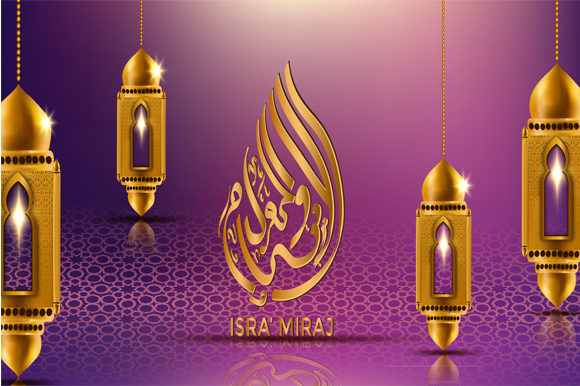
The term Isra Miraj Calligraphy Means Generous captures the essence of a deeply spiritual and artistic tradition that resonates across cultures, religions, and generations. Rooted in the Islamic faith, this form of calligraphy is not only an aesthetic marvel but also a symbol of generosity, devotion, and cultural pride. As we explore its meaning, significance, and applications, it becomes clear why this art form holds such a special place in the hearts of Muslims around the world.
The Story Behind Isra and Miraj
The journey of Isra and Miraj begins with the Prophet Muhammad (peace be upon him), who, according to Islamic tradition, was taken on a miraculous night journey from Mecca to Jerusalem and then ascended to the heavens. This event, known as the Isra and Miraj, is celebrated annually by millions of Muslims during the Laylat al-Miraj, or the Night of Ascension. The occasion is marked with prayers, reflection, and the creation of beautiful Islamic art, including calligraphy.
Isra Miraj Calligraphy Means Generous reflects the generosity of the Prophet’s journey, which serves as a reminder of the importance of giving, both spiritually and materially. It is a celebration of faith, a tribute to the divine, and an expression of gratitude for the blessings bestowed upon humanity.
What Makes Isra Miraj Calligraphy Unique?
- Artistic Expression: Islamic calligraphy is considered one of the highest forms of Islamic art. Each stroke, curve, and flourish is imbued with meaning, reflecting the beauty and depth of the Arabic language.
- Spiritual Significance: The words used in Isra Miraj Calligraphy often include verses from the Quran, names of Allah, or phrases related to the Prophet’s journey. These elements serve as a constant reminder of the divine presence in daily life.
- Cultural Identity: In countries like Saudi Arabia, Kuwait, UAE, Qatar, and Turkey, Isra Miraj Calligraphy plays a vital role in preserving cultural heritage. It is featured in mosques, public spaces, and even personal items such as greeting cards and banners.
Applications of Isra Miraj Calligraphy
Isra Miraj Calligraphy Means Generous can be found in various contexts, each highlighting its versatility and enduring appeal:
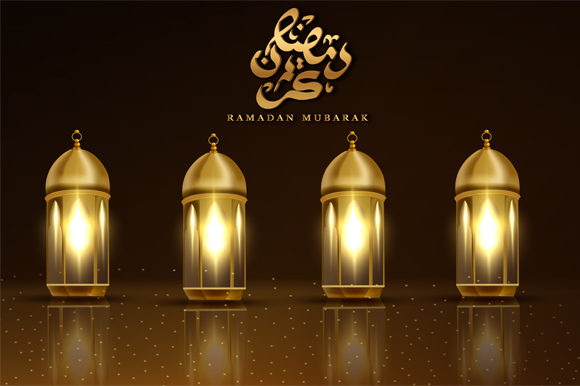
- Holiday Greetings: During religious holidays such as Eid and Ramadan, people often use calligraphic designs to create greeting cards with messages like "Eid Mubarak" or "Ramadan Kareem." These cards are not only visually appealing but also carry deep spiritual meaning.
- Religious Decorations: Mosques and Islamic centers frequently incorporate Isra Miraj Calligraphy into their architecture, wall art, and banners. The intricate patterns and elegant typography add a sense of reverence and serenity to these sacred spaces.
- Personalized Items: From mobile phone cases to clothing, individuals seek out Isra Miraj Calligraphy to express their faith and cultural identity. These items make for meaningful gifts and personal statements.
- Commercial Use: Businesses, especially those in the Middle East and beyond, use Islamic calligraphy in branding, logos, and packaging. It adds a touch of authenticity and elegance to products and services.
Designing with Isra Miraj Calligraphy
For designers and creators, incorporating Isra Miraj Calligraphy into projects requires an understanding of both the artistic and cultural aspects of the craft. Here are some tips for working with this unique style:
- Use Appropriate Fonts: Choose fonts that reflect the elegance and fluidity of Arabic script. Many digital platforms offer Arabic calligraphy fonts specifically designed for Islamic themes.
- Incorporate Religious Symbols: Elements such as the crescent moon, stars, and floral motifs can complement Isra Miraj Calligraphy and enhance its visual impact.
- Balance and Composition: Like any form of art, balance is key. Ensure that the text and background work harmoniously together, avoiding overcrowding or excessive detail.
- Respect Cultural Context: When designing for Muslim audiences, it is important to respect the cultural and religious significance of the imagery and text used.
Why Isra Miraj Calligraphy Means Generous?
The phrase Isra Miraj Calligraphy Means Generous is more than just a title—it encapsulates the spirit of the entire tradition. Generosity, in this context, refers not only to the act of giving but also to the sharing of knowledge, culture, and beauty with others. Just as the Prophet Muhammad’s journey was a gift to humanity, so too is the art of calligraphy a gift that continues to inspire and uplift.
This generosity extends to the way Isra Miraj Calligraphy is used and appreciated. Whether it is displayed in a mosque, printed on a greeting card, or featured in a digital design, it serves as a bridge between the past and present, the spiritual and the artistic.
Considerations and Limitations
While Isra Miraj Calligraphy offers many benefits, there are also some considerations to keep in mind:
- Cultural Sensitivity: Not all designs or interpretations may be appropriate for every audience. It is important to research and understand the cultural context before using Islamic calligraphy in commercial or public settings.
- Technical Challenges: Creating high-quality Islamic calligraphy requires skill and practice. Beginners may find it challenging to achieve the level of detail and precision required.
- Copyright Issues: Some calligraphic styles and fonts may be protected by copyright. Always ensure that you have the right to use or modify the artwork in question.
Real-World Examples and Applications
Let’s look at some real-world examples of how Isra Miraj Calligraphy Means Generous is being used today:
- Eid Cards: Many Muslims send out Eid Mubarak cards featuring Isra Miraj Calligraphy. These cards often include verses from the Quran or quotes about generosity and kindness.
- Islamic Banners: During the month of Ramadan, mosques and community centers display banners with Isra Miraj Calligraphy to celebrate the holy month and encourage acts of charity.
- Mobile Phone Cases: Custom phone cases with Isra Miraj Calligraphy have become popular among young Muslims who want to express their faith in a modern way.
- Business Logos: Companies in the Middle East and beyond use Islamic calligraphy in their branding to convey values such as trust, honesty, and generosity.
Evaluating Suitability for Different Needs
When considering whether Isra Miraj Calligraphy is suitable for your project, ask yourself the following questions:
- Does the design align with the cultural and religious values of your target audience?
- Will the calligraphy enhance the message or theme of your project?
- Are there any legal or ethical concerns associated with using Islamic calligraphy in this context?
- Do I have the necessary skills or resources to create or source high-quality calligraphy?
By carefully evaluating these factors, you can ensure that your use of Isra Miraj Calligraphy is both respectful and effective.
Conclusion: Embracing the Beauty of Isra Miraj Calligraphy
Isra Miraj Calligraphy Means Generous is more than just an art form—it is a celebration of faith, generosity, and cultural heritage. Whether used in religious settings, personal expressions, or commercial ventures, this beautiful tradition continues to inspire and connect people around the world.
As we continue to explore and appreciate the richness of Islamic calligraphy, let us remember the profound message behind Isra Miraj: a journey of generosity that reminds us of the power of faith, love, and giving.