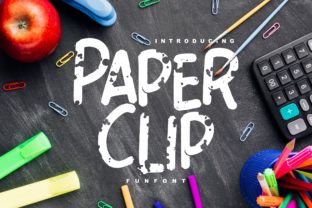
Paper Clip: A Decorative Typeface with Imperfect Charm for Unique Design Projects
The Origins and Character of Paper Clip
Paper Clip is more than just a typeface; it's an artistic expression that brings a sense of imperfection and personality to any design. Designed with the intention of adding a human touch to typography, Paper Clip features letters that are not perfectly aligned or symmetrical. This deliberate deviation from traditional fonts makes it stand out in a world dominated by clean, modern sans-serif and serif styles.
Originating from a small studio known for its experimental approach to design, Paper Clip was created to challenge the conventional norms of typography. The name itself is a nod to the humble paper clip, a common office tool that is both functional and unassuming. Just like the paper clip, this typeface is meant to be used in everyday contexts but with a twist—making the ordinary feel special.
Key Characteristics of Paper Clip
One of the most notable aspects of Paper Clip is its unique letterforms. Each character is crafted with slight irregularities, such as uneven strokes, slanted angles, and asymmetrical shapes. These features give the font a hand-drawn quality that feels organic and personal. Unlike other decorative fonts that may appear overly stylized or difficult to read, Paper Clip maintains a balance between visual appeal and legibility.
Another defining characteristic of Paper Clip is its versatility. It can be used across various mediums, including print, digital, and even signage. Whether you're designing a logo, creating a poster, or working on a website, Paper Clip adds a distinctive flair without overwhelming the content. Its subtle imperfections make it suitable for both casual and professional applications.
The font also comes in multiple weights and styles, allowing designers to adjust the look based on their project's needs. From light and airy to bold and striking, each variation of Paper Clip offers a different aesthetic while maintaining the core identity of the typeface.
Advantages of Using Paper Clip in Design Projects
The primary advantage of using Paper Clip is its ability to convey a sense of authenticity and individuality. In an era where mass-produced designs dominate the market, incorporating a font like Paper Clip can help set your work apart. It adds a layer of personality that resonates with audiences who appreciate originality and creativity.
For businesses looking to build a brand that feels more human and relatable, Paper Clip can be an excellent choice. Its informal yet elegant appearance aligns well with brands that prioritize connection and community. It’s particularly effective in industries such as fashion, lifestyle, and creative services, where a unique visual identity is crucial.
Additionally, Paper Clip is highly adaptable. It works well in both minimalist and maximalist design approaches. When paired with simple layouts, it enhances the overall aesthetic without competing with the content. In more complex designs, it serves as a focal point that draws attention and creates visual interest.
Another benefit of Paper Clip is its ease of use. Despite its unconventional design, it remains readable and accessible. Designers don't need to compromise on clarity for the sake of style, which is a significant advantage over some other decorative fonts that can be challenging to read at smaller sizes.
Real-World Applications of Paper Clip
Paper Clip has found its way into numerous design projects across different industries. One popular use case is in branding materials. Companies have used Paper Clip for logos, packaging, and marketing collateral to create a memorable and distinctive visual presence. Its unique characteristics help reinforce brand identity and make a lasting impression on consumers.
In the realm of web design, Paper Clip has been employed for headings, call-to-action buttons, and other interactive elements. Its ability to stand out while remaining legible makes it ideal for drawing attention to important information. Web developers and designers often use it in combination with other fonts to create a layered and dynamic typographic hierarchy.
Print media is another area where Paper Clip shines. Magazines, posters, and brochures have all benefited from its distinctive look. It adds a touch of elegance and charm to editorial content, making it especially appealing for niche publications and independent designers.
Educational institutions and creative professionals have also embraced Paper Clip for its ability to inspire creativity. Teachers and educators use it in classroom materials to engage students, while artists and illustrators incorporate it into their work to add a personal and artistic flair.
Considerations When Using Paper Clip
While Paper Clip offers many advantages, there are certain considerations to keep in mind when using it in a design project. First and foremost, it's essential to ensure that the font complements the overall design rather than overpowering it. Since Paper Clip has a distinctive look, it should be used strategically to avoid visual clutter.
Legibility is another important factor. Although Paper Clip is designed to be readable, its irregularities can sometimes make it less suitable for long blocks of text. For body copy, it's best to pair it with a more standard font that ensures readability without sacrificing style.
Lastly, it's worth considering the context in which Paper Clip will be used. While it works well in many situations, it may not be the best fit for formal or corporate environments where a more traditional font might be preferred. However, for creative and expressive projects, Paper Clip is an excellent choice that can elevate the design significantly.
By understanding these considerations, designers can make informed decisions about when and how to use Paper Clip effectively. It's a versatile tool that, when used thoughtfully, can enhance the visual appeal of any project while maintaining clarity and purpose.