Holographic Ink Shapes for Creative Projects
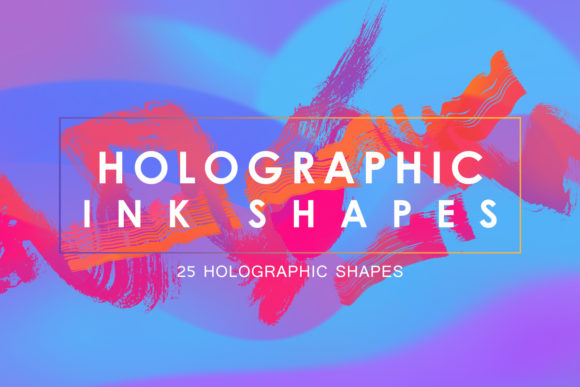
Holographic ink shapes are a modern design element that adds a dynamic, eye-catching effect to visual projects. These abstract forms, often created with special inks or digital effects, reflect light in a way that creates a shimmering or iridescent appearance. When used effectively, they can elevate the visual appeal of posters, phone cases, flyers, websites, greeting cards, apps, presentations, wallpapers, and more.
For designers, artists, and marketers, incorporating holographic ink shapes into their work can be a powerful way to stand out in a crowded visual landscape. However, it's important to understand when and how to use them effectively, as well as what alternatives might be more suitable depending on the project’s goals.
What Are Holographic Ink Shapes?
Holographic ink shapes are abstract geometric or organic forms designed with materials that produce a reflective, multi-colored sheen. They are typically available in PNG format, ranging from 1000x1000 pixels up to 3500x3500 pixels, offering high resolution for both print and digital applications. These shapes are not limited to a specific style, making them versatile for a wide range of creative uses.
The key characteristic of holographic ink shapes is their ability to catch and refract light, creating a visually engaging effect that changes depending on the viewing angle. This makes them particularly useful in environments where visual impact is crucial, such as retail displays, promotional materials, or interactive digital interfaces.
Why Consider Using Holographic Ink Shapes?
There are several reasons why someone might consider using holographic ink shapes in their projects. One of the most obvious is the visual appeal they bring. In an era where attention spans are short, having a unique and eye-catching design can make a significant difference in how a message is received.
Another benefit is versatility. Whether you're designing a website, a mobile app, or a physical poster, these shapes can be adapted to fit various formats and purposes. Their abstract nature also allows for creative interpretation, enabling users to apply them in ways that align with their brand identity or artistic vision.
Additionally, holographic ink shapes can enhance the perceived value of a product or design. In marketing and branding, this can translate into increased engagement and interest from the target audience.
Benefits and Tradeoffs
The primary benefit of using holographic ink shapes is their ability to add visual interest and depth to any project. They can serve as focal points, background elements, or decorative accents, depending on the design needs. Their reflective properties also make them ideal for use in environments with ambient lighting, where they can create a subtle yet effective glow.
However, there are some tradeoffs to consider. The use of holographic ink may require specialized printing techniques or software support, which could increase production costs or complexity. Additionally, overuse of these shapes can lead to a cluttered or overwhelming design, which may detract from the intended message.
It's also worth noting that not all audiences may respond positively to the use of holographic effects. While some find them exciting and innovative, others may perceive them as gimmicky or distracting. It's important to consider the context and audience before deciding to incorporate them into a project.
Situations Where Holographic Ink Shapes Fit Well
Holographic ink shapes are best suited for projects where visual impact and innovation are key. For example, they are an excellent choice for promotional materials targeting younger demographics, such as music festivals, fashion events, or tech product launches. Their reflective quality can also make them effective in low-light environments, such as nightclubs or themed spaces.
In digital contexts, holographic ink shapes can be used to create interactive elements on websites or apps, enhancing user experience through visual feedback. They are also well-suited for creative presentations or educational materials where a dynamic visual style can help engage the audience.
When Alternatives May Be More Suitable
While holographic ink shapes offer a unique aesthetic, there are situations where alternative design elements may be more appropriate. For instance, in formal or professional settings such as corporate reports, legal documents, or academic papers, the use of holographic effects may be considered too informal or distracting.
Additionally, if the goal of the project is to convey simplicity, clarity, or minimalism, holographic ink shapes may not be the best choice. In such cases, flat design, gradients, or subtle textures may be more effective in achieving the desired outcome.
Cost is another consideration. If budget constraints are tight, investing in specialized printing or digital rendering techniques for holographic ink may not be feasible. In these instances, simpler design elements that achieve a similar effect without added complexity or expense may be preferable.
Practical Decision-Making Insights
When evaluating whether to use holographic ink shapes in your project, it's essential to consider the overall design goals, audience expectations, and technical feasibility. Start by defining the purpose of the project and identifying the key messages you want to convey. Ask yourself: Does the use of holographic ink enhance or distract from those messages?
Next, consider the medium and platform on which the design will be used. Will it be printed, displayed digitally, or used in a mixed-media format? Each of these has different implications for how holographic ink shapes can be applied and rendered effectively.
Finally, think about the resources available. Do you have access to the necessary tools, technologies, or expertise to implement holographic ink shapes successfully? If not, it may be worth exploring alternative options that are more aligned with your current capabilities and constraints.
By carefully weighing these factors, you can make an informed decision about whether holographic ink shapes are the right choice for your project. Ultimately, the goal is to create a design that is both visually compelling and functionally effective, meeting the needs of your audience while staying true to your creative vision.