Indian Flowers: A Strategic Design Resource for Creative and Business Applications
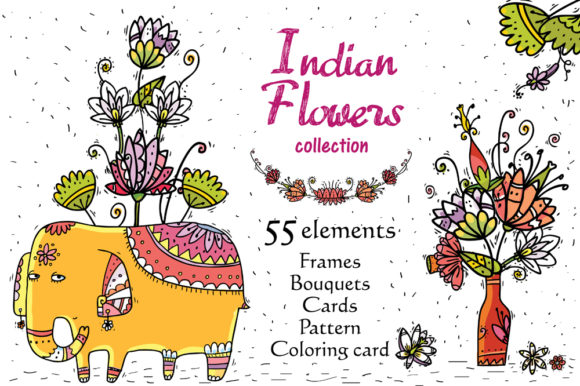
Indian flowers are not only a symbol of cultural richness but also a powerful design element that can elevate your creative projects. Whether you're an entrepreneur, marketer, or designer, incorporating Indian flowers into your work can add depth, authenticity, and visual appeal. This collection offers 55 objects featuring lotuses and other traditional flowers, along with vases, ornaments, and even the Big Kind Elephant PNG and EPS 8 composite elements. These assets are ideal for greeting cards, mugs, posters, web design, wallpapers, textile design, fashion prints, and much more.
Strategic Use of Indian Flowers in Design Projects
Using Indian flowers in your designs is more than just aesthetics—it's about making intentional choices that align with your goals. For instance, if you're creating branding materials for a wellness business, lotus flowers can symbolize purity and spiritual growth. Similarly, using traditional motifs like marigolds or jasmine can resonate deeply with audiences familiar with Indian culture.
Consider how these floral elements can support your communication strategy. They can help convey messages of celebration, prosperity, or reverence depending on the context. By choosing the right flowers, you can create a cohesive brand identity that speaks to your target audience effectively.
Planning Your Design Strategy with Indian Flowers
Before integrating Indian flowers into your projects, it's essential to plan strategically. Start by identifying your primary objective—whether it's enhancing customer experience, improving brand recognition, or boosting engagement. Once you have clarity on your goals, you can select the appropriate floral elements that best represent your message.
- Define your audience: Understand who you're designing for. Are they culturally connected to India? Do they appreciate traditional symbolism?
- Choose the right flowers: Different flowers carry different meanings. Lotus represents enlightenment, while marigold signifies prosperity.
- Ensure consistency: Maintain a consistent style across all design elements to build a strong brand presence.
Additionally, consider the medium you're working with. If you're designing for print, ensure that the resolution is high enough (like the 300 DPI images included in this collection). For digital use, make sure the files are optimized for web performance without compromising quality.
Practical Applications of Indian Flowers
The versatility of Indian flowers makes them suitable for a wide range of applications. Here are some practical examples of how you can leverage this collection:
- Greeting Cards: Create heartfelt greetings with floral illustrations that reflect the occasion—be it a wedding, festival, or birthday.
- Web Design: Incorporate floral patterns as background elements or buttons to enhance the visual appeal of your website.
- Textile Design: Use these floral motifs in fabric prints for clothing, home décor, or accessories.
- Fashion Prints: Design unique clothing items with traditional Indian flowers to stand out in the fashion industry.
- Wallpapers: The large wallpaper provided (5906x3508 px) can be used for both personal and commercial purposes, adding a touch of elegance to any space.
Moreover, the inclusion of black and white coloring pages adds another layer of utility, especially for educators or hobbyists looking to engage children or adults in creative activities.
When to Use Indian Flowers in Your Projects
Indian flowers are most effective when they align with your project's theme and purpose. They are particularly useful in the following scenarios:
- Cultural Celebrations: Use these floral elements during festivals like Diwali, Holi, or weddings to capture the essence of the occasion.
- Brand Storytelling: If your brand has roots in Indian culture, these elements can reinforce your narrative and connect emotionally with your audience.
- Marketing Campaigns: Leverage the symbolism of these flowers to craft compelling campaigns that resonate with specific demographics.
However, it's crucial to avoid using them indiscriminately. Without clear context or relevance, the use of Indian flowers may come off as superficial or inauthentic. Always ensure that their inclusion serves a meaningful purpose within your project.
Risks of Using Indian Flowers Without Clear Context
While Indian flowers offer immense potential, there are risks associated with their misuse. One common pitfall is using them without understanding their cultural significance. For example, certain flowers may be associated with specific religious practices or social customs, and misusing them could lead to unintended offense or confusion.
Another risk is overusing these elements, which can dilute their impact and make your designs appear cluttered or unprofessional. It's important to strike a balance between incorporating floral motifs and maintaining a clean, focused design.
To mitigate these risks, always research the cultural context of the flowers you're using. Engage with experts or native communities to ensure that your application of these elements is respectful and accurate.
How to Approach Indian Flowers Intentionally
Intentional use of Indian flowers requires thoughtful planning and execution. Here are some steps to guide you:
- Research: Understand the meanings and cultural significance of various Indian flowers before selecting them for your projects.
- Align with your brand: Ensure that the flowers you choose complement your brand's identity and values.
- Test with your audience: Get feedback from your target demographic to see how well the floral elements resonate with them.
- Iterate and refine: Based on the feedback, make necessary adjustments to your designs to enhance their effectiveness.
By following these steps, you can ensure that your use of Indian flowers is both strategic and impactful.
In conclusion, Indian flowers are more than just decorative elements—they are powerful tools that can enhance your creative and business endeavors. By using them thoughtfully and intentionally, you can create designs that are not only visually appealing but also culturally resonant and strategically aligned with your goals.