Reznor: A 13th-Century Decorative Typeface with a Stunning Twist
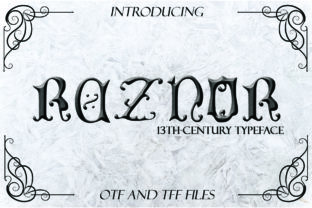
Typography is more than just choosing a font—it's about storytelling, branding, and visual impact. Among the many fonts available today, Reznor stands out as a unique blend of historical charm and modern elegance. This 13th-century decorative typeface has been carefully hand-lettered to add a personal twist to any design project. Whether you're a designer, a business owner, or a creative professional, Reznor offers an opportunity to bring a touch of history into your work.
The Origins and Inspiration Behind Reznor
Reznor draws its roots from medieval calligraphy, a time when every letter was crafted with care and purpose. The name itself evokes a sense of craftsmanship and artistry, much like the process of creating the font. Unlike mass-produced digital fonts, Reznor is designed to reflect the meticulous attention to detail that characterized scribes of the past.
What makes Reznor particularly interesting is how it bridges the gap between ancient typography and contemporary design. It retains the ornate curves and flourishes of its era while being adaptable for use in modern contexts such as logos, posters, and branding materials.
Hand-Lettered Beauty
One of the most distinctive features of Reznor is that it has been hand-lettered, giving it a level of character and uniqueness that machine-generated fonts often lack. Each stroke and curve has been thoughtfully crafted to ensure that Reznor not only looks beautiful but also feels authentic.
- Unique strokes and flourishes
- Variations in weight and thickness
- Historical accuracy with a modern twist
Where Can Reznor Be Used?
Reznor's versatility allows it to be used across a wide range of applications. Its decorative nature makes it ideal for projects that require a touch of elegance and sophistication.
- Branding and Logos: Reznor can be used to create logos that stand out due to their artistic appeal. Its hand-lettered quality adds a personal touch that can resonate well with customers.
- Posters and Invitations: For events such as weddings, galas, or exhibitions, Reznor can elevate the design of invitations and promotional posters.
- Book Covers and Titles: Authors and publishers looking for a distinctive look can benefit from using Reznor on book covers or chapter titles.
- Web Design: While it may not be suitable for long blocks of text, Reznor can be used for headings, buttons, and other elements where visual impact is important.
However, it’s worth noting that Reznor may not be the best choice for body text due to its decorative style. It works best when used sparingly and strategically to draw attention rather than for readability over long passages.
Who Can Benefit from Using Reznor?
Anyone involved in design—whether professionally or as a hobbyist—can find value in using Reznor. Here are some specific groups who might benefit:
- Graphic Designers: Looking to add a unique flair to their projects, designers can use Reznor to create visually striking compositions.
- Business Owners: Those seeking to differentiate their brand through unique typography can consider Reznor for logos or marketing materials.
- Content Creators: Bloggers, YouTubers, and social media influencers can use Reznor to make headlines or captions stand out.
- Historical Enthusiasts: People interested in medieval history or calligraphy may appreciate the authenticity of Reznor.
Strengths and Considerations
While Reznor has many strengths, it’s important to understand its limitations as well. Some key points to consider include:
Strengths:
- Highly distinctive and visually appealing
- Offers a unique historical feel
- Perfect for short, impactful text
Considerations:
- Limited legibility for large blocks of text
- May require additional spacing or styling for optimal use
- Not ideal for all digital platforms due to its intricate details
Understanding these aspects will help you determine whether Reznor is the right fit for your particular project.
Real-World Applications of Reznor
To better understand how Reznor can be applied in real life, let’s explore a few examples:
Example 1: Restaurant Logo
A local restaurant wants a logo that reflects its heritage and tradition. By using Reznor, they can create a logo that feels both classic and inviting, drawing in customers who appreciate a nostalgic aesthetic.
Example 2: Wedding Invitation
A couple planning a wedding chooses Reznor for their invitation designs. The elegant script gives the event a royal and timeless feel, making the invitation more memorable.
Example 3: Book Title
An author publishes a historical novel and uses Reznor for the title. This choice enhances the theme of the book and creates a strong visual identity.
These examples demonstrate how Reznor can be effectively used in various scenarios to enhance the overall presentation and message of a project.
Evaluating Suitability for Your Needs
Before deciding to use Reznor, it's essential to evaluate whether it aligns with your goals and requirements. Ask yourself the following questions:
- Do I need a font that adds a unique, artistic touch?
- Will this font be used primarily for short texts or headings?
- Is my audience likely to appreciate a more traditional or ornate style?
- Am I prepared to adjust spacing or formatting to accommodate the font's characteristics?
By considering these factors, you can determine if Reznor is the right choice for your project. If so, you’ll be able to leverage its distinctive qualities to create something truly special.
In conclusion, Reznor is more than just a font—it's a celebration of historical craftsmanship combined with modern design sensibilities. Its hand-lettered beauty and unique characteristics make it a valuable tool for those looking to add a touch of elegance and personality to their work. Whether you're a professional designer or simply someone with a passion for typography, Reznor offers an opportunity to bring a piece of the past into the present.